Insights
Articles & Essays

This repository hosts a curated selection of intellectual reflections that explore the intersection of history, urbanism, and social identity. Rather than presenting history as a static collection of dry facts, these essays adopt a “People’s Perspective,” examining how the built environment and cultural traditions shape the modern Pakistani worldview. Authored by veteran historians, architects, and THAAP associates, these works serve to challenge unitary thoughts and encourage a pluralistic understanding of our shared heritage. From the historiography of the Punjab to the socio-cultural dynamics of small towns, these articles bridge the gap between academic theory and the lived experiences of communities.

Research Highlights

Research at THAAP is driven by the exploration of primary sources and on-ground documentation. We focus on adding original knowledge to the fields of Art and Culture, ensuring that every highlight presented here is backed by scientific methodology and field validation. A significant milestone in this regard is our large-scale Digital Mapping initiative, which resulted in a comprehensive GIS database of cultural assets across South Punjab. This research serves as a vital baseline for conservationists and policymakers, providing a technical framework for safeguarding both endangered building crafts and historical sites that are often overlooked by mainstream scholarship.

Policy & Position Papers
As a UNESCO-accredited advisor, THAAP formulates strategic frameworks to influence national and international cultural policy:

CBI Implementation
Development and nationwide adoption of the Community Based Inventory (CBI) form for the Ministry of National History and Literary Heritage.

UNESCO Advisory
Direct advisory services to the Intergovernmental Committee regarding the safeguarding of Intangible Cultural Heritage (ICH).

Curriculum Reform
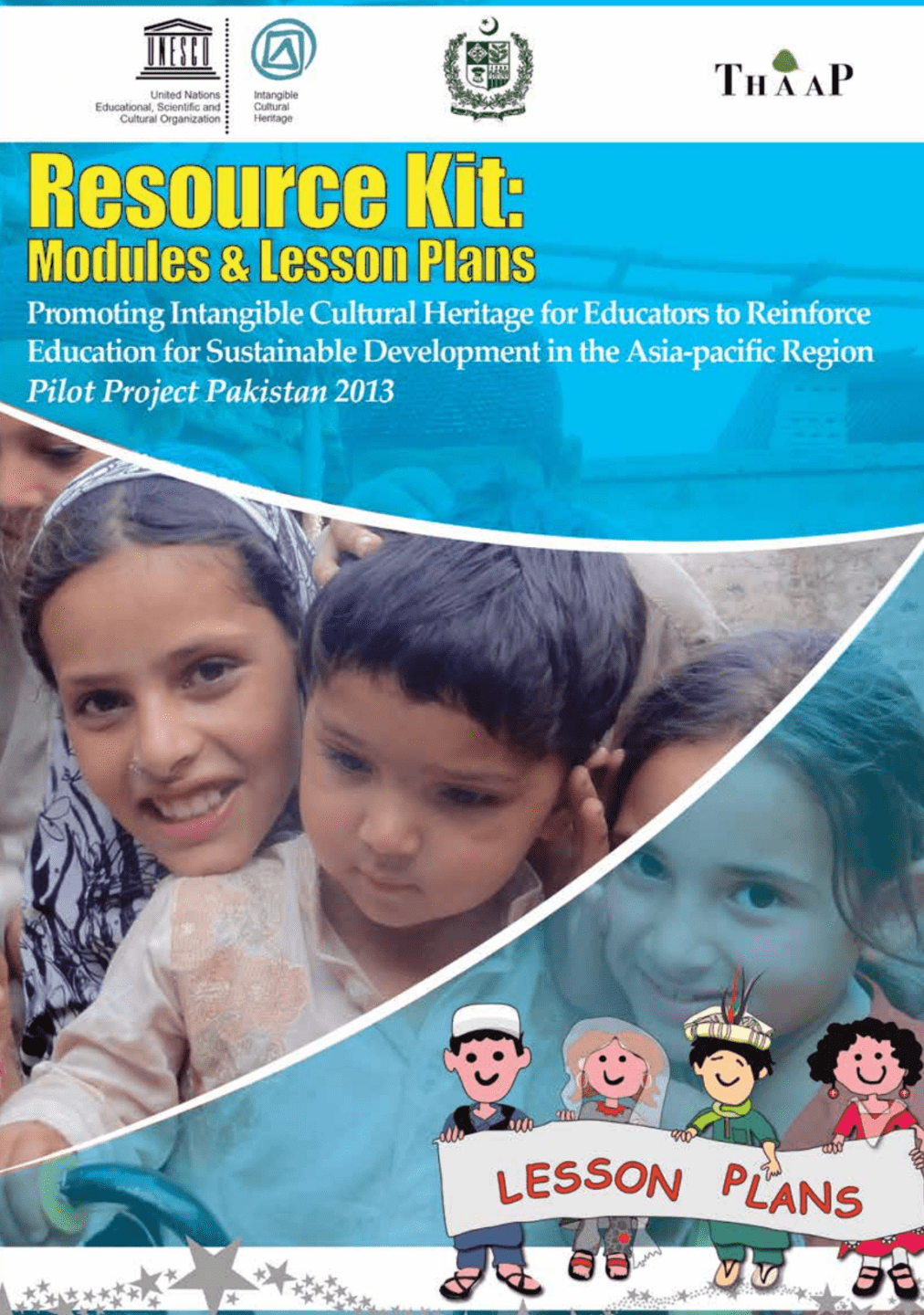
Advocacy papers for the integration of “Heritage Education” into formal school systems to foster social cohesion.

Strategic Development
Documentation linking cultural rights to the United Nations Sustainable Development Goals (SDGs).
Talks & Lectures
THE ORAL TRADITION ARCHIVE THAAP believes that indigenous wisdom is a living library. Our “Cultural Akaths” and technical colloquiums are transcribed here to capture the nuances of tradition-bearers. This includes our renowned Al-Hamra Series on the urban evolution of Lahore and specialized colloquiums where young researchers present primary data to our board of expert advisors. These records serve as a unique resource for those looking beyond traditional textbooks.
Media & Interviews
Services Links
Copyright. All Rights Reserved by THAAP.